

Introduction
The evolution of search engine optimization has reached a pivotal intersection: traditional SEO practices, which emphasize manual strategies and human decision-making, are now being compared to AI driven SEO, which integrates machine learning, predictive modeling, and natural language processing. This article explores the macro-context of SEO vs AI SEO, outlining the conceptual, technical, and operational differences while evaluating their impact on visibility, scalability, and content performance.
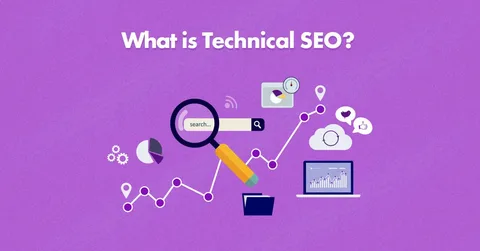
What Is Traditional SEO
Traditional SEO involves optimizing web content, structure, and external signals to align with known ranking factors used by search engines. Key elements include:
- Keyword research and targeting
- On-page optimization titles, meta descriptions, headers
- Technical SEO crawlability, site speed, mobile-friendliness
- Link building and domain authority development
- Content creation based on manual editorial planning
These tasks are typically carried out by SEO specialists who interpret algorithm updates, audit performance, and execute optimizations through human analysis and testing.
What Is AI SEO
AI SEO leverages artificial intelligence to automate, scale, and enhance traditional optimization efforts. It includes:
- Automated keyword clustering using semantic analysis
- Predictive content performance modeling
- AI generated content recommendations or drafts
- Real time SERP intent analysis
- User behavior prediction and content mapping
AI SEO tools use large language models, entity graphs, and natural language understanding to align content with topical depth, relevance, and intent satisfaction at scale.
Key Differences Between SEO and AI SEO
Strategy Formation
Traditional SEO relies on experience, competitive analysis, and manual keyword prioritization. AI SEO builds strategies using real time data analysis, machine learning outputs, and predictive signals from historical performance trends.
Content Planning and Optimization
In traditional SEO, content briefs are manually created based on target keywords. AI SEO platforms automate topical mapping, identify entity gaps, and suggest contextual enhancements using semantic networks.
Speed and Scalability
Human driven SEO is often limited by bandwidth and resources. AI SEO enables large-scale optimization across hundreds or thousands of pages with consistent quality and structure.
Personalization and SERP Adaptation
AI SEO can dynamically adapt to SERP shifts, user intent variations, and localized search behavior, while traditional SEO often lags behind in response to these algorithmic changes.
Where Traditional SEO Still Holds Value
Despite AI rise, traditional SEO remains essential in areas requiring:
- Brand alignment and editorial tone control
- E-E-A-T Experience, Expertise, Authoritativeness, Trustworthiness signaling
- Creative direction in multimedia and storytelling
- Ethical link building and relationship management
- Strategic judgment beyond algorithmic patterns
SEO professionals bring contextual awareness, cultural sensitivity, and cross-disciplinary integration that AI cannot fully replicate.
The Role of AI in Enhancing SEO Efficiency
AI tools do not replace SEO professionals they augment them. The use of AI in SEO enhances:
- SERP feature analysis featured snippets, people also ask, video packs
- Entity based topical clustering for topical authority development
- Schema generation and automation
- User engagement modeling based on clickstream data
- Real time competitor monitoring
These capabilities allow SEO teams to shift from execution to strategy, from task management to data-informed decision-making.
Risks and Limitations of Relying Solely on AI SEO
- AI generated content may lack originality or violate search guidelines
- Over-reliance on data patterns can result in generic, low impact outputs
- Misinterpretation of search intent if models are trained on outdated data
- Ethical concerns around content automation and attribution
Successful implementation requires a human in the loop model to monitor, evaluate, and refine AI generated insights.
Use Cases Where AI SEO Excels
- Large scale content audits and gap analysis
- Building semantic topic maps for authority growth
- Automating internal linking based on entity associations
- Generating multilingual content drafts at scale
- Clustering keywords by user intent and topic proximity
These applications reduce labor costs and increase time-to-publish without sacrificing quality, assuming human oversight remains in place.
What is traditional SEO?
Traditional SEO is a manual process focused on optimizing web content, structure, and links based on known search engine ranking factors.
What is AI SEO?
AI SEO uses artificial intelligence and machine learning to automate and enhance SEO strategies such as keyword clustering, content planning, and SERP analysis.
How does AI SEO improve keyword research?
AI SEO tools group keywords semantically, analyze user intent, and suggest topical coverage to improve content relevance and depth.
Can AI SEO replace human SEO professionals?
No. AI SEO enhances human efforts but still requires expert oversight for brand alignment, ethical judgment, and strategic direction.
What are the benefits of using AI in SEO?
AI improves scalability, real-time data analysis, predictive modeling, content automation, and SERP adaptation, increasing SEO efficiency.
Is AI generated content safe for SEO?
Only if properly reviewed. AI content must align with quality guidelines, avoid duplication, and meet user intent to perform well in search.
When is traditional SEO better than AI SEO?
Traditional SEO excels in brand messaging, tone consistency, E-E-A-T optimization, and creative storytelling.
What tools are commonly used in AI SEO?
Tools like Surfer SEO, Frase, MarketMuse, and Clearscope are widely used for AI-driven content optimization and semantic analysis.
How does AI SEO support topical authority building?
AI maps content gaps, identifies related entities, and structures pages semantically to support depth, breadth, and authority.
Should SEO strategies include both AI and traditional methods?
Yes. A hybrid model ensures scalable execution with human creativity and judgment, leading to more sustainable SEO outcomes.
Conclusion
The debate between SEO and AI SEO is not one of competition but integration. AI SEO extends the capabilities of traditional methods, providing new levels of precision, scalability, and speed. However, the strategic, ethical, and creative elements of traditional SEO remain irreplaceable. Businesses that combine both approaches—leveraging AI’s analytical power while retaining human strategic oversight will be best positioned to build sustainable visibility in an increasingly intelligent search landscape.
