

Introduction
As the digital landscape becomes more competitive and complex, search engine optimization has evolved from a keyword centric discipline into a dynamic, data driven practice. At the center of this evolution is Artificial Intelligence, which is rapidly transforming how businesses approach SEO from strategy formulation to execution.
AI in SEO is not simply about automation. It is about understanding user behavior, search engine algorithms, and content relevance at scale. This article outlines how AI is reshaping SEO practices, empowering organizations to achieve sustainable rankings and improved user engagement through intelligent, context-aware strategies.
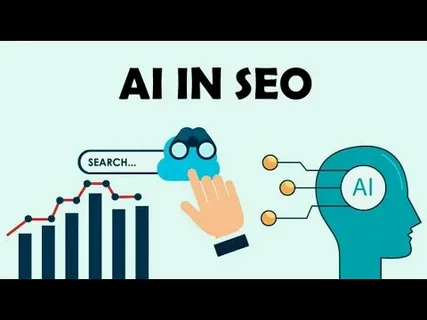
Understanding AI Role in SEO
AI in SEO refers to the use of machine learning, natural language processing, and predictive analytics to enhance how websites are optimized for search visibility. These technologies allow marketers to go beyond traditional techniques and adopt approaches based on semantic understanding, real-time feedback, and user intent.
Search engines like Google increasingly rely on AI through systems such as Rank Brain, BERT, and MUM to interpret content, evaluate quality, and determine search intent. As a result, SEO professionals must now optimize for context, not just keywords.

Core Applications of AI in SEO
Semantic Content Optimization
AI tools can analyze large volumes of top ranking content and identify patterns in semantic structure, keyword clusters, and user intent. This enables marketers to craft content that aligns more precisely with what users are searching for not just in terms of keywords but also in language, tone, and contextual depth.
Search Intent and SERP Analysis
AI systems help predict what users are likely trying to achieve with their queries, whether it is gathering information, comparing services, or making a purchase. This enables the creation of content that matches different stages of the buyer journey and increases visibility across diverse search engine result page features including featured snippets and People Also Ask panels.
Technical SEO Automation
AI-powered crawlers and site audit tools can detect technical issues such as broken links, poor mobile responsiveness, and Core Web Vitals performance more efficiently than manual audits. They also provide prioritized recommendations, allowing teams to resolve high-impact issues first.
Intelligent Link Building
Some AI solutions assist in identifying relevant backlink opportunities by analyzing competitor profiles, domain authority, and semantic alignment. This streamlines outreach and ensures higher quality link acquisition.
Predictive Analytics for SEO Performance
Machine learning models can forecast how changes in content, design, or backlinks will impact rankings and organic traffic. These insights enable SEO teams to make proactive, evidence-based decisions instead of relying on retrospective analysis.
Benefits of AI in SEO Strategy
- Scalability: Automate repetitive tasks while maintaining accuracy across thousands of pages
- Precision: Understand and apply semantic relationships between topics, queries, and content
- Efficiency: Streamline auditing, reporting, and content production workflows
- Adaptability: Respond quickly to algorithm updates and market changes using data driven insights
By integrating AI, SEO becomes a more strategic function aligned with both business goals and user needs.
Challenges and Considerations
While AI offers many benefits, its use in SEO must be guided carefully. Overreliance on AI generated content may compromise quality, voice, or originality. Moreover, algorithm updates continue to evolve, meaning that AI models must be constantly refined to stay relevant.
It is also essential to balance automation with human expertise, particularly in areas requiring editorial judgment, brand alignment, and ethical responsibility.
What is AI in SEO?
AI in SEO refers to the use of artificial intelligence technologies to enhance and automate search engine optimization tasks like content creation, auditing, and ranking analysis.
How does AI improve content optimization?
AI analyzes top-performing content to suggest structure, keyword usage, and semantic relevance, helping align with user intent and search engine algorithms.
What is semantic SEO?
Semantic SEO focuses on optimizing content for meaning and context rather than exact keyword matches, often guided by AI tools and natural language processing.
Can AI predict search engine rankings?
Yes, predictive AI models can analyze ranking factors and forecast how changes in content or site structure might affect performance.
How does AI help with technical SEO?
AI tools identify and prioritize issues like site speed, broken links, mobile usability, and core web vitals faster than manual methods.
What role does AI play in keyword research?
AI clusters keywords by topic and intent, helping SEO professionals build content hubs and optimize around user needs rather than isolated terms.
Can AI generated content rank in search engines?
Yes, if well structured and relevant, AI generated content can rank, but it should be reviewed for quality, accuracy, and originality.
Is AI useful for link building?
AI can identify high authority, contextually relevant backlink opportunities and automate outreach campaigns for efficiency.
What are the risks of using AI in SEO?
Risks include low quality content, over automation, loss of brand voice, and non compliance with search engine guidelines.
Is AI the future of SEO?
Yes, AI is becoming integral to modern SEO, enabling smarter decisions, faster workflows, and strategies aligned with semantic search and user intent.
The Future of SEO is Intelligence Driven
As search engines evolve toward understanding not just words but meaning, relationships, and outcomes, SEO professionals must adapt by using tools that reflect this new landscape. AI enables businesses to move from reactive tactics to proactive, predictive strategies offering deeper insights, better user experiences, and long term visibility.
In the coming years, organizations that invest in AI powered SEO will hold a competitive edge by being more responsive to market trends, user behavior, and technological innovation.
