Skip to content
- Home
- Case Study
Case Study

Improving E-Commerce CTR and Conversions Through SEO
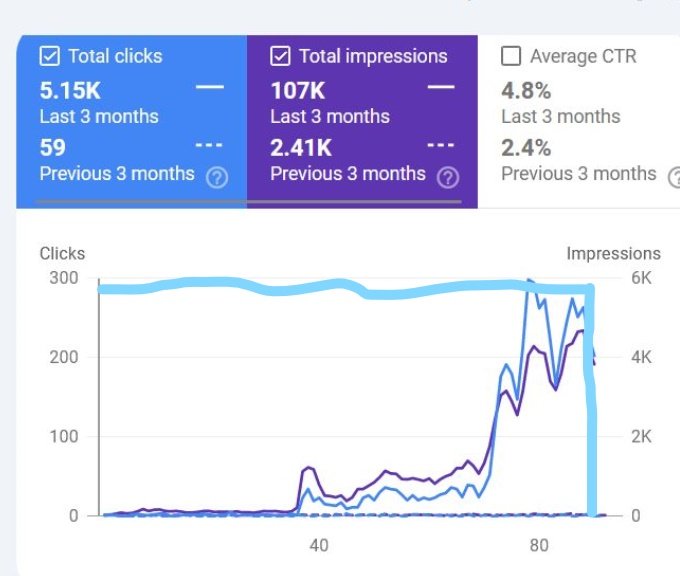
The client operates an e-commerce website selling a wide range of products across various categories. Despite having a diverse product offering and a robust website structure, the client struggled to convert website visitors into paying customers. The website was receiving a steady amount of impressions, but the CTR (click-through rate) and conversion rates were below expectations, leading to missed revenue opportunities. The website experienced high impressions but low CTR (1.4%) and suboptimal conversion rates. The average position in search results was 18.8, indicating many products were ranked on the second or third page, resulting in decreased visibility and fewer sales. The challenge was to drive more organic traffic to product pages and improve the user experience to maximize conversions.
Objective
The goal was to:
- Increase CTR across product pages and category listings.
- Improve product page rankings to achieve higher visibility in search results.
- Optimize the website’s user experience to drive higher conversion rates and sales.
Approach Using the Koray Tuğberk GÜBÜR Framework:
The Koray Tuğberk GÜBÜR framework was applied to create a targeted SEO strategy for the e-commerce website, focusing on optimizing product listings, improving user experience, and increasing the website’s authority to drive sustainable organic growth.
1. Keyword Optimization:
Challenge:
Despite having a large inventory, many product pages were not ranking well for their targeted keywords, resulting in a low CTR. The product titles, meta descriptions, and tags were not optimized for search intent, leading to missed opportunities in driving relevant traffic.
Action:
We conducted extensive keyword research to identify high-converting, long-tail keywords specific to each product and category. The steps involved were:
- Product Page Optimization: Each product page was optimized with relevant, high-volume keywords, including long-tail variations that potential customers might search for.
- Category and Subcategory Optimization: Optimized category pages with keyword-rich titles and descriptions. This ensured that products in niche categories would have better visibility.
- On-Page Elements: Updated meta titles, descriptions, product descriptions, and image alt texts with targeted keywords to improve keyword relevance.
Result:
After implementing these keyword changes, the CTR improved to 2.1%. The product pages and category pages started to rank higher for specific keywords, which led to better visibility in search results and increased traffic. Sales increased as well, reflecting higher conversion rates.

Content Optimization
Challenge
The e-commerce website had a lot of content, but it lacked detailed product descriptions, unique selling propositions (USPs), and high-quality images. Users were not engaging deeply with the content, leading to a higher bounce rate and lower time-on-page.
Action
A thorough content audit was conducted, and each product page was enhanced with the following:
- Rich Product Descriptions: Detailed, engaging, and unique product descriptions that not only explained the product’s features but also highlighted the benefits, including its relevance and solutions to customer pain points.
- Customer Reviews and Ratings: Encouraged reviews from customers and displayed ratings prominently on each product page, leveraging social proof to increase credibility and conversions.
- High-Quality Visuals: Improved product images with better lighting, multiple angles, and zoom-in functionality. In addition, we added videos and tutorials for high-ticket products to increase user interaction.
Result
The improved content, including rich descriptions and high-quality images, led to higher engagement rates. The average time on page increased, and the bounce rate dropped significantly. Additionally, adding reviews and ratings enhanced trust, leading to more conversions.
Backlink Strategy
Challenge
While the website had a decent number of backlinks, many were low-quality, and it lacked authoritative links from highly relevant e-commerce sites. This limited the site’s domain authority and its ability to rank for competitive product keywords.
Action
We implemented a proactive backlink strategy:
- Strategic Outreach: We reached out to industry influencers, bloggers, and e-commerce websites to secure guest posts and product reviews, generating high-quality backlinks.
- Partnerships and Collaborations: Collaborated with other reputable e-commerce platforms for cross-promotions, which resulted in valuable backlinks.
- Product Listings on High Authority Platforms: We also ensured the website’s products were listed on top shopping sites like Amazon, Etsy, and niche-specific platforms, linking back to the website.
Result
The backlink profile improved significantly, increasing the website’s domain authority and boosting rankings for high-converting product pages. As a result, the website saw an increase in organic traffic from top-tier referral sources.