Skip to content
- Home
- Case Study
Case Study

Improving E-Commerce CTR and Conversions Through SEO
Explore how optimizing e-commerce websites with targeted SEO strategies can significantly improve click-through rates (CTR) and conversions. This comprehensive guide covers key tactics such as semantic SEO, content optimization, and consistent publication to drive organic traffic. Learn how resolving technical issues, refining content structures, and aligning with user intent can increase visibility, engagement, and sales. Discover actionable insights and real-world examples of how e-commerce sites can leverage SEO to build a sustainable growth path, boost organic rankings, and ultimately increase revenue
Objective
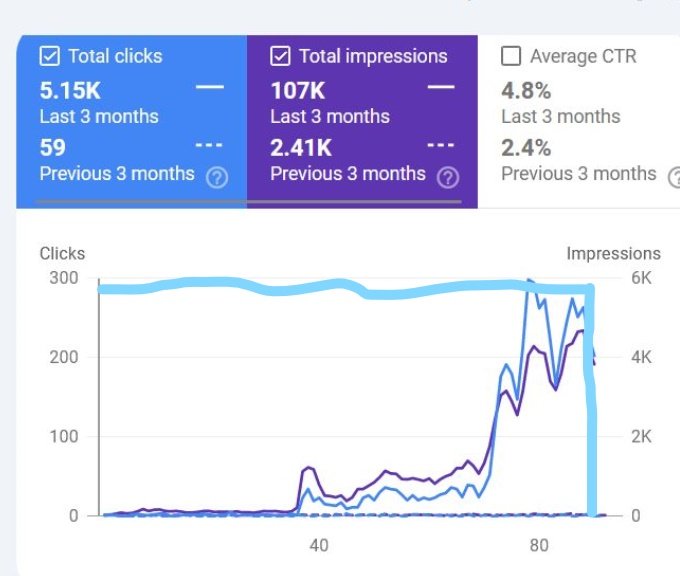
This chart illustrates the impressive growth in website performance over the past 12 months. With 268K total clicks and 27.1 million impressions, the website experienced a steady increase in both metrics. The click-through rate (CTR) of 1% shows significant improvement, with a consistent upward trend in user engagement. The average position of the website has also improved, reflecting better visibility in search results. This demonstrates the success of a focused SEO strategy in boosting traffic and overall site performance.
Keyword Optimization:
- Keyword Research: Use tools like Google Keyword Planner, Ahrefs, or SEMrush to identify high-volume, low-competition keywords relevant to your niche.
- Use Long-Tail Keywords: Focus on long-tail keywords that are more specific and less competitive to drive more targeted traffic.
- Keyword Placement: Integrate keywords naturally in key areas such as titles, meta descriptions, headers, URL structure, and throughout the content, especially in the first 100 words.
- Avoid keyword stuffing; use keywords sparingly to maintain readability. Overuse can lead to penalties from search engines.
- Optimize for User Intent: Ensure that your content aligns with the searcher’s intent, whether informational, transactional, or navigational. Tailor your keywords to match what users are genuinely searching for.
- Use Synonyms and Related Terms: Incorporate synonyms and LSI (Latent Semantic Indexing) keywords to enhance relevance and avoid repetition.
- Monitor Performance: Track keyword rankings using tools like Google Analytics or Search Console and adjust your strategy as needed based on performance data.

Content Optimization
- Focus on Quality: Create content that is informative, engaging, and answers the user’s query comprehensively. High-quality content is more likely to be shared and linked to, which improves SEO.
- Keyword Integration: Use relevant keywords naturally throughout the content, ensuring they appear in the title, headers, body, and meta tags. However, avoid keyword stuffing as it can harm the user experience and SEO rankings.
- User Intent Alignment: Ensure your content matches the search intent behind the keywords you’re targeting. Whether the user is looking for information, making a purchase decision, or seeking a solution, the content should address their needs.
- Structure and Readability: Organize content with clear headings, subheadings, bullet points, and short paragraphs. This enhances readability and helps search engines understand the content’s structure.
- Internal Linking: Include relevant internal links to other pages on your site. This not only helps users discover more content but also improves SEO by passing link equity throughout your site.
- Multimedia Use: Integrate relevant images, videos, infographics, or charts to enhance the user experience. These elements keep visitors engaged and reduce bounce rates, which is beneficial for SEO.
- Mobile Optimization: Ensure your content is responsive and easy to read on mobile devices. Given that most users browse on mobile devices, search engines prioritize mobile-friendly sites.
- Page Speed Optimization: Slow-loading pages can negatively impact user experience and rankings. Optimize images, minimize code, and leverage browser caching to improve load times.
- Engagement and Social Sharing: Encourage users to share your content on social media platforms. Content that gets shared is more likely to attract backlinks, which are valuable for SEO.
- Content Freshness: Regularly update your content to keep it relevant and timely. Search engines favor fresh content, particularly for evolving topics.
Backlink Strategy
- Quality Over Quantity: Focus on acquiring high-quality backlinks from authoritative websites within your industry. One link from a reputable source (e.g., a .edu or .gov site, a well-known publication, or an industry leader) can be more valuable than multiple links from lesser-known sites.
- Create Shareable Content: Develop high-quality, shareable content such as blog posts, infographics, research studies, or tools. The more valuable and informative your content is, the more likely others will link to it. Ensure your content is unique and solves problems for your target audience.
- Guest Posting: Guest posting on reputable websites in your niche is an effective way to acquire backlinks. In your posts, include relevant, contextual links back to your site. Ensure your guest posts deliver real value and align with the host website’s audience.
- Broken Link Building : Search for broken links on authoritative websites within your niche. Reach out to the site owner, notifying them of the broken link, and suggest your content as a replacement. This strategy helps the website owner resolve an issue while giving you an opportunity to earn a backlink.
- Competitor Backlink Analysis: Analyze your competitors’ backlinks using tools such as Ahrefs, SEMrush, or Moz. Identify websites that link to them and try to get links from those same sites. You can create content that is better than your competitor’s or reach out to the sites directly to request a link.
- Leverage Social Media and Online Communities: Promote your content on social media platforms and in online forums such as Reddit, Quora, and niche communities. While links from social media sites may not directly impact SEO, they can lead to organic backlinks from others who find your content valuable.
- Create Linkable Assets: Create valuable, evergreen resources people want to reference. Examples include comprehensive guides, case studies, industry reports, or toolkits. These resources are more likely to earn natural backlinks over time as others reference them in their own content.
- Skyscraper Technique: Identify high-performing content in your niche and improve upon it by making your version more detailed, up-to-date, and visually appealing. Reach out to the websites that linked to the original content and ask them to link to your improved version.
- Local Business Listings and Directories: For local SEO, ensure your website is listed in trusted local directories, Google My Business, and niche-specific business listings. These backlinks help improve both local SEO and domain authority.
- Partnerships and Collaborations: Establish partnerships with influencers, bloggers, and industry experts to secure mutual backlinks. You can exchange guest posts, co-author content, or sponsor events/webinars to gain links from their trusted sites.
- Monitor Backlinks: Regularly track your backlinks to ensure they remain active. Use tools like Google Search Console, Ahrefs, or Moz to monitor your backlink profile. Disavow any toxic or spammy backlinks that could harm your site’s reputation and ranking.
- Content Syndication : Republish your blog posts or articles on other platforms like Medium, LinkedIn, or industry-specific websites, ensuring you include a link back to your original post. This can increase exposure and help you earn additional backlinks.
- Internal Linking: While not an external backlink, internal linking helps distribute page authority throughout your site. Ensure your essential pages are interlinked within your website to enhance visibility and link equity.